Vacation Photo Privacy Risks: How Location Metadata Exposes Your Secrets
That stunning beach sunset photo you just posted might be sharing more than a beautiful view. Hidden within the digital code of your pictures is sensitive location data that could reveal your home address, vacation patterns, or even your exact real-time coordinates. These details, known as geotags, create significant privacy risks you may not even be aware of.
Have you ever considered what your vacation photos are secretly telling the world? This hidden information can turn a cherished memory into a security liability. Today, we're uncovering the hidden dangers in your vacation photos and showing you how our free online tool can protect your privacy with just a few clicks.
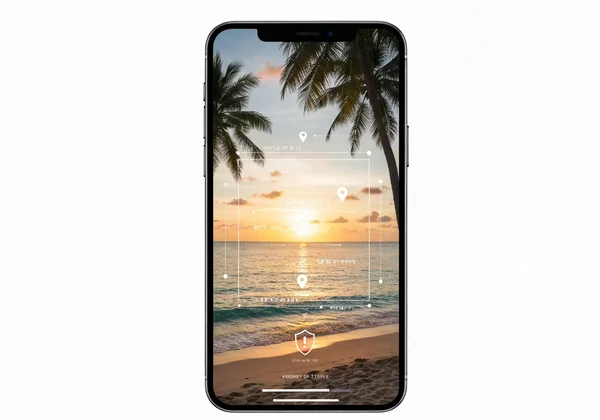
Understanding Location Metadata in Photos
To effectively protect your photos, let's first understand how location data gets embedded in your images in the first place. Location metadata is a piece of the larger puzzle known as EXIF data. This information is automatically generated by your camera or smartphone every time you take a picture, creating a digital footprint of your life.
What Is Geotagging and How Does It Work?
Geotagging is the process of embedding precise geographical information into a file, like a photo. When you take a picture with a modern smartphone or camera, the device’s built-in GPS automatically records your exact latitude and longitude. This information is then saved into the photo's EXIF (Exchangeable Image File Format) data.
This EXIF data acts like a digital label for your image. It stores technical details such as the camera model, shutter speed, and aperture settings. However, it also includes the exact time, date, and location where the photo was taken. While useful for organizing your personal photo albums, this geotag becomes a serious privacy concern when shared online.

What Sensitive Information Can Location Metadata Reveal?
Location metadata reveals more than just your travel destinations. When this data is online, anyone with basic tools can extract it and build a detailed profile of your life. This hidden information can reveal:
- Your Home Address: Photos taken in or around your home can pinpoint its exact location.
- Daily Routines: A series of photos can map out your daily commute, favorite coffee shop, or gym schedule.
- Children’s Locations: Pictures taken at parks, schools, or daycare centers can reveal where your children spend their time.
- Workplace Information: Snapping a photo at your desk could expose your office location to competitors or malicious actors.
- Real-Time Location: Sharing a photo from an event immediately reveals your current whereabouts.
- Vacation Patterns: Burglars can use vacation photos to confirm you are away from home, making your property a target.
Real Case Study: The Vacation Photo Privacy Breach
The dangers of location metadata aren't just theoretical. There are real-world examples of how a simple vacation photo led to serious consequences. Understanding these cases helps illustrate why removing this data is so important for your physical and digital security.
The Timeline of a Location Metadata Leak
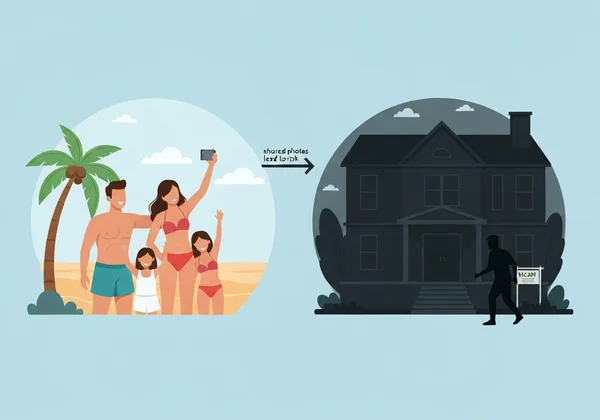
Take the 2022 case of a family whose vacation excitement quickly became a security nightmare. They shared holiday photos on social media, completely unaware of the GPS data embedded in each image. The timeline shows just how quickly this information can be exploited:
- Day 1: The family begins posting beautiful beach photos, complete with geotags.
- Day 2: A malicious actor uses a simple online tool to scan social media for location data from their city.
- Day 3: The actor extracts the coordinates, confirms the family is hundreds of miles away, and finds their home address from previous photos.
- Day 4: The empty home is burglarized, and valuables are stolen.
- Day 5: Police investigating the break-in link the crime directly to the publicly shared, geotagged photos.
Consequences of Location Metadata Exposure
This case is a stark reminder that the consequences go far beyond a simple loss of privacy. The exposure of location data from photos can lead to severe real-world problems, including:
-
Physical Security Risks: Burglars can easily identify when homes are unoccupied, making them prime targets.
-
Stalking and Harassment: Unwanted individuals can track your movements and learn your patterns, leading to dangerous situations.
-
Corporate Espionage: Competitors could track business travelers to learn about confidential meetings or sensitive locations.
-
Identity Theft: Criminals can use your location patterns as part of a larger strategy to steal your identity.
-
Compromised Safety: High-profile individuals, activists, or journalists can put themselves in danger by revealing their location.
How to Remove Location Metadata from Your Photos
The good news? Safeguarding your photos is much simpler than you might think. You don't need any technical expertise to strip this sensitive information from your images. By making metadata removal a regular part of your photo-sharing routine with a tool like MetadataRemover.org, you can share your memories with confidence.
Simple Steps to Clean Vacation Photos
Before you upload your next vacation picture, take a moment to clean it. Using a trusted service like MetadataRemover.org makes the process fast and effortless. Here are the simple steps to ensure your photos are safe to share:
-
Visit a reliable metadata removal tool.
-
Upload your photo by dragging it into the designated area or selecting it from your device.
-
The tool automatically processes the image and removes all EXIF data, including location.
-
Download the clean, privacy-safe version of your photo.
-
Share your beautiful memories online without worrying about hidden risks.

Protecting Your Photos Before Sharing
The best defense is a proactive one. Instead of worrying about data that is already public, build a simple habit of cleaning your images before they ever get posted. This ensures your privacy is always protected.
- Create a Workflow: Make metadata removal the first step you take before posting to Instagram, Facebook, or any other platform.
- Educate Your Family: Teach your loved ones about the dangers of geotagging so they can protect their privacy as well.
- Use a Dedicated Tool: Bookmark an easy-to-use service to make the process quick and painless.
- Check Device Settings: You can often disable geotagging in your phone’s camera settings, but removing metadata from existing photos is still crucial. A reliable metadata remover is the safest final check.
Protect Your Memories, Not Your Location
Your vacation photos are meant to capture joy, connection, and adventure—not to create risk and vulnerability. The hidden location data embedded in your images is a digital backdoor that can expose your private life to the world. By understanding these dangers and taking a few simple seconds to remove metadata, you regain control over your digital footprint.
Don’t let hidden data turn a beautiful memory into a security threat. Before you share another photo, make the smart choice to protect your privacy. You can share your experiences confidently, knowing that your memories are all you’re giving away. Take control of your photo privacy today and clean your images for free.
FAQ Section
How can I tell if my photos contain location data?
Many modern devices embed location data by default. You can often check this by viewing the "Properties" or "Details" of an image file on your computer. Look for a GPS section with latitude and longitude coordinates. However, the easiest and most certain way to handle it is to process your photos through a trusted online tool that removes all metadata, whether you see it or not.
Does removing metadata affect photo quality?
No, removing metadata does not affect the visual quality of your photos at all. The process only strips out the hidden text-based data from the file. The actual pixels, colors, and composition of your image remain completely untouched. Your photo will look exactly the same, just without the sensitive information attached.
Can metadata be restored after removal?
Once metadata is properly stripped from an image file, it is permanently gone and cannot be restored. This is a key feature for privacy protection, as it ensures that sensitive data like your location cannot be recovered by anyone later on. Always keep an original copy of your photo if you wish to preserve the metadata for your own records.
Is it safe to remove metadata online?
Yes, it is safe as long as you use a reputable and trustworthy service. A secure platform like MetadataRemover.org prioritizes your privacy. We process images instantly and never store or access your photos. This ensures your files remain completely confidential throughout the entire metadata removal process.