Real Estate Metadata Risks: Why Removing EXIF Data Protects Client Privacy
In the competitive world of real estate, trust is your most valuable asset. Clients trust you with their keys, their financial details, and the privacy of their homes. However, a hidden digital threat might be compromising that trust every time you upload a property photo. Have you ever wondered what information is hidden inside the images you share?
Real estate photos hide dangerous secrets. Your camera logs more than colors—it maps your client’s life. Every photo you take with a smartphone or digital camera contains hidden information called metadata. This data, often referred to as EXIF data, travels with the image wherever it goes. Before diving into the risks, it is helpful to understand What is EXIF Data? to grasp how these files function.
If you do not remove metadata before publishing a listing or sending photos to a buyer, you might be accidentally leaking sensitive details about your clients. Here is what you are risking—and how to fix it. Protecting your professional reputation starts with understanding the digital footprint of your photos. Using an online metadata remover is the first step toward securing your digital workflow.

Property Photo Metadata Risks: A Real-World Exposure Case Study
Most real estate professionals focus on the visual quality of their photos. They want the lighting to be perfect and the rooms to look spacious. While the visual image is important, the "unseen" data is what creates a security risk. This hidden layer of information is a classic example of how digital convenience can lead to privacy leaks.
How EXIF Data in Real Estate Photos Leaks Client Details
When you snap a photo of a beautiful kitchen, your camera records more than just the colors. It logs the exact GPS coordinates of the house. It records the date and the precise second the photo was taken. It even notes the serial number of the phone or camera used. This information is incredibly useful for organizing your personal library, but it is dangerous in the wrong hands.
For a real estate agent, this data can reveal a client’s daily routine. Using a metadata removal service is the only way to ensure these details are erased before the public sees them. GPS tags can lead strangers directly to the front door of a high-profile client who wishes to remain anonymous. This level of exposure bypasses any physical security the home might have.
Real Estate Agent's Near Miss: When Client Data Almost Got Compromised
Consider the story of Sarah, a luxury real estate agent in a major city. Sarah was representing a high-profile athlete who was selling a secluded estate. Privacy was the client's number one priority. Sarah took several high-resolution photos of the home’s interior, including a state-of-the-art security room and a private safe area.
Before posting the photos to a popular real estate portal, Sarah decided to double-check the files. She used a tool to cleanse property photo metadata and inspect the hidden tags. To her horror, she realized the photos contained the exact latitude and longitude of the estate. Even worse, the metadata revealed that the photos were taken on a Saturday afternoon when the security system was being serviced.
If Sarah had published those photos, anyone with basic tech skills could have found the exact location of the safe room. They would also know the best time to approach the house undetected. Sarah was able to erase hidden EXIF tags from photos just in time. This quick action saved her client's privacy and her own professional career.
Analyzing the Metadata: What Was at Risk in This Case
To understand why Sarah was so worried, we need to look closer at what metadata actually contains. It is not just one piece of info; it is a collection of data points that create a map of your client's life. Understanding these real estate metadata risks is the first step toward better digital hygiene.
Geolocation Data: The Hidden Coordinates in Property Photos
Geolocation data is perhaps the most sensitive part of an image file. Most modern smartphones have GPS enabled by default. This means every "click" of the shutter attaches a set of coordinates to the photo. These coordinates are accurate within a few meters.
For real estate listings, this might seem harmless because the address is often public. However, for "off-market" listings or private sales, this is a major breach. Even for public listings, the GPS data can reveal the location of specific rooms or entrances that are not visible from the street. By choosing to clear photo data, you ensure that your photos only show the house, not its exact mathematical location.
Timestamps and Device Information: What Else Was Revealed
Timestamps reveal patterns. They expose staging times, vacancy windows, and how long agents linger—all clues for criminals. If a criminal sees that photos are consistently taken at 10:00 AM on Tuesdays, they might conclude that is when the property is most vulnerable.
Device information is also a risk. Metadata often includes the name of the device, such as "John’s iPhone 15 Pro." This confirms who took the photo and what kind of technology they are using. Sarah’s client faced an even graver risk. The metadata exposed their camera’s software version—a detail hackers could exploit to breach private networks.
Protecting Client Privacy: The Metadata Removal Solution in Action
Now that you know the risks, you need a solution. You do not need to be a tech expert to protect your clients. The easiest way to handle this is to make metadata removal a standard part of your workflow. This is where a specialized property photo privacy tool becomes essential.
Step-by-Step Process: Removing Metadata from Property Photos
Cleaning your photos is a simple process that takes only a few seconds. You can integrate this into your routine right after you finish editing your photos and before you upload them to the MLS or social media.
- Select your photos: Gather all the images you plan to share or publish.
- Upload to the tool: Visit a trusted site to strip exif info from your files. You can usually drag and drop your images directly into your browser.
- Process and Download: The tool will automatically strip away the GPS, timestamps, and device info. You can then download the "clean" versions of your images.
This simple three-step process acts as a digital shield. It ensures that your visual marketing remains effective without compromising the safety of your clients or your reputation.
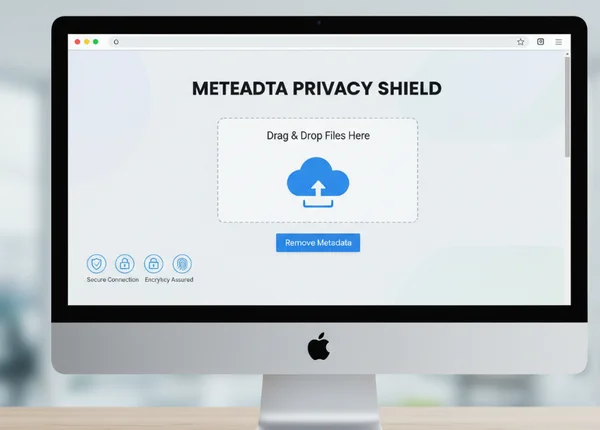
How MetadataRemover.org Ensures Complete Client Data Protection
When dealing with sensitive client photos, you need a tool you can trust. MetadataRemover.org is designed with a "privacy-first" philosophy. Unlike many other online converters, this tool does not store your images. The processing happens quickly, and the files are deleted from the server almost immediately after you are done.
No registration. No fees. Just upload your photos and protect them instantly—no email or personal data required. It is a fast, secure, and reliable way to remove image metadata for every listing you manage. By using this tool, you are demonstrating a high level of professional care for your clients' digital security.
Your Next Steps in Securing Property Photos and Client Privacy
In the digital age, being a great real estate agent means being a good steward of data. The risks we discussed today are real, but they are also easy to manage. By taking a few extra seconds to clean your photos, you prevent potential stalking, burglaries, and privacy lawsuits.
Don’t wait for a "near miss" to change your habits. Make it a rule to never post a property photo that still contains hidden coordinates or device details. Your clients will appreciate your attention to detail, and your brand will become synonymous with safety and professionalism.
Don’t let hidden data sabotage your next deal. Clean your photos in seconds. You can use this tool right now to ensure your photos are clean and safe for the public. Protect your clients, protect your business, and share your photos with total peace of mind.

Frequently Asked Questions About Property Photo Privacy
What types of metadata are typically found in real estate photos?
Most real estate photos taken with modern cameras or phones contain EXIF data. This includes the date and time the photo was taken, camera settings, the device model, and GPS coordinates. Some files may also contain IPTC or XMP data, which can include the photographer's name or copyright information. To keep your photos anonymous, it is best to remove metadata entirely before publishing.
Can I remove metadata from multiple property photos at once?
Yes, most professional tools allow for efficient batch processing. While manual methods require you to edit photos one by one, using a dedicated online remover usually allows you to upload and clean multiple files in a single session. This is a huge time-saver for agents who have dozens of photos for a single property listing.
Is it safe to use online tools to remove metadata from sensitive property images?
It depends on the specific tool you choose. You should look for services that prioritize privacy and do not store your images on their servers. A trustworthy tool processes the images and then deletes them immediately, ensuring your client's photos don't end up in a random database.
How can I tell if a property photo still contains metadata?
On a Windows computer, you can right-click an image, select "Properties," and go to the "Details" tab. On a Mac, you can open the image in "Preview," go to "Tools," and select "Show Inspector." However, these methods don't always show every hidden tag. The most reliable way to check and clear the data is to use a dedicated tool that scans for all hidden information fields.